
Missing teeth can affect your smile, confidence, and overall oral health. Fortunately, dental bridges provide an effective solution by replacing one or more missing teeth and restoring the function and appearance of your smile. However, not all dental bridges are the same. Depending on the location of the missing tooth, the condition of your surrounding teeth, and your oral health, your dentist may recommend a specific type of bridge.
At Art Family Dental, we provide personalized restorative treatments designed to meet each patient's unique needs. This guide explains the different types of dental bridges, their benefits, and how to determine which option is best for you.
What Is a Dental Bridge?
A dental bridge is a fixed dental restoration that fills the gap created by one or more missing teeth. It consists of one or more artificial teeth, called pontics, supported by natural teeth or dental implants on either side of the gap.
Dental bridges help restore:
Chewing ability
Speech clarity
Smile appearance
Bite alignment
Overall oral function
They also prevent neighboring teeth from shifting into the empty space.
Why Replacing Missing Teeth Matters
Leaving missing teeth untreated can lead to several oral health problems, including:
Shifting of surrounding teeth
Bite misalignment
Difficulty chewing
Changes in speech
Increased risk of gum disease
Bone loss in the jaw
A sunken facial appearance
Replacing missing teeth early helps maintain a healthy and functional smile.
1. Traditional Dental Bridge
A traditional dental bridge is the most common type of bridge. It consists of one or more replacement teeth held in place by dental crowns attached to the healthy teeth on both sides of the gap.
Best For:
One or more missing teeth
Healthy teeth on both sides of the gap
Back or front teeth
Benefits
Strong and durable
Natural-looking appearance
Excellent chewing function
Long-lasting results
Widely used and highly reliable
Traditional bridges are often the preferred option when strong neighboring teeth are available for support.
2. Cantilever Dental Bridge
A cantilever bridge is similar to a traditional bridge but is supported by only one adjacent natural tooth instead of two.
Best For:
Areas where only one healthy supporting tooth is available
Front teeth with lower chewing pressure
Benefits
Requires only one supporting tooth
Less tooth preparation than some alternatives
Effective in selected cases
Because cantilever bridges place greater stress on the supporting tooth, they are used less frequently than traditional bridges.
3. Maryland Dental Bridge
Also known as a resin-bonded bridge, a Maryland bridge uses a metal or porcelain framework attached to the back surfaces of neighboring teeth instead of dental crowns.
Best For:
Replacing front teeth
Patients with healthy adjacent teeth
Situations requiring minimal tooth preparation
Benefits
Preserves more natural tooth structure
Conservative treatment
Natural appearance
Less invasive procedure
Maryland bridges are generally not recommended for molars because they may not withstand heavy chewing forces.
4. Implant-Supported Dental Bridge
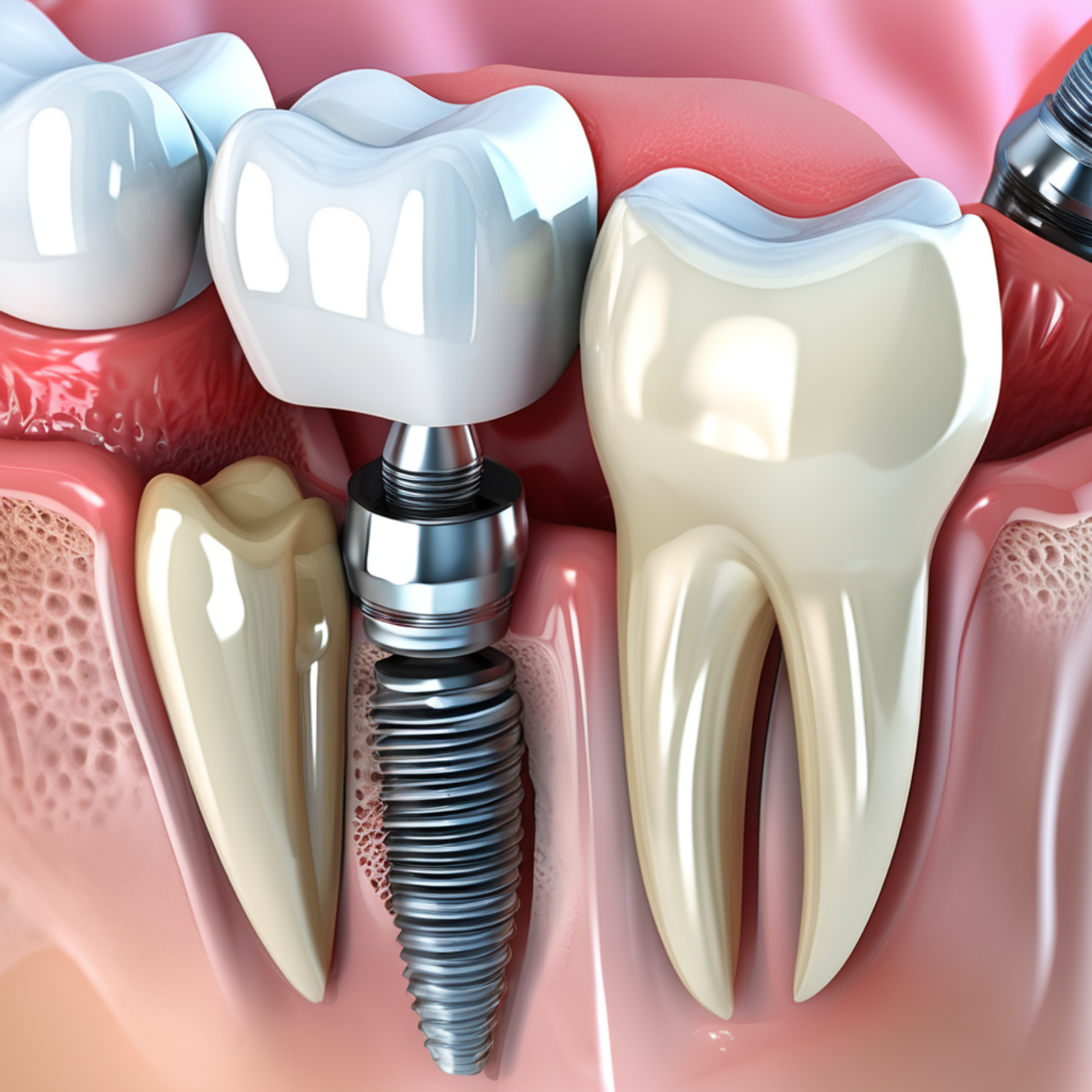
Instead of relying on natural teeth, an implant-supported bridge is anchored by dental implants surgically placed into the jawbone.
Best For:
Multiple missing teeth
Patients with sufficient jawbone
Long-term tooth replacement
Benefits
Exceptional stability
Preserves jawbone health
Does not require altering healthy teeth
Highly durable
Natural appearance and function
Although implant-supported bridges require a longer treatment process, they often provide the most long-lasting results.
Comparing the Different Types of Dental Bridges
Bridge TypeBest ForMain AdvantageTraditional BridgeOne or more missing teeth with healthy supporting teethStrong, durable, and widely usedCantilever BridgeOnly one adjacent supporting toothUseful in limited situationsMaryland BridgeMissing front teethConservative and minimally invasiveImplant-Supported BridgeMultiple missing teethMaximum stability and long-term durability
Your dentist will recommend the option that best fits your oral health, functional needs, and treatment goals.
Which Dental Bridge Is Best for You?
The ideal type of dental bridge depends on several factors, including:
Number of missing teeth
Location of the missing teeth
Health of surrounding teeth
Jawbone condition
Bite alignment
Overall oral health
Budget
Long-term expectations
A comprehensive dental examination, including digital X-rays, helps determine the most appropriate treatment for your smile.
Caring for Your Dental Bridge
Regardless of the type of bridge you choose, proper care is essential for long-term success.
Maintain your dental bridge by:
Brushing twice daily with fluoride toothpaste
Flossing under and around the bridge using floss threaders or interdental brushes
Limiting sugary foods and beverages
Avoiding chewing hard objects like ice or hard candy
Wearing a nightguard if you grind your teeth
Visiting your dentist regularly for professional cleanings and checkups
Excellent oral hygiene helps protect both your bridge and the supporting teeth or implants.
Why Choose Art Family Dental?
At Art Family Dental, we believe every patient deserves a personalized approach to tooth replacement. Our experienced dental team uses advanced technology and high-quality materials to design custom dental bridges that restore function, improve appearance, and provide lasting comfort. Whether you need a traditional bridge or an implant-supported solution, we are committed to helping you achieve a healthy, confident smile.
Conclusion
Dental bridges are an effective way to replace missing teeth and restore your smile, but choosing the right type depends on your unique oral health needs. Traditional, cantilever, Maryland, and implant-supported bridges each offer distinct advantages, and the best option will depend on factors such as the location of the missing teeth, the health of your supporting teeth, and your long-term goals. At Art Family Dental, our team is here to guide you through every step of the process and recommend the bridge that best suits your smile. Schedule your consultation today and take the first step toward restoring your oral health and confidence.

Write a comment ...